You’ve probably already seen the professional photos of Machu Picchu. So here are a few pictures of what a trip to Peru really looks like, with a few educational tidbits tied in. It’s a long trip to get from North Carolina to the top of Machu Picchu but definitely worth it!
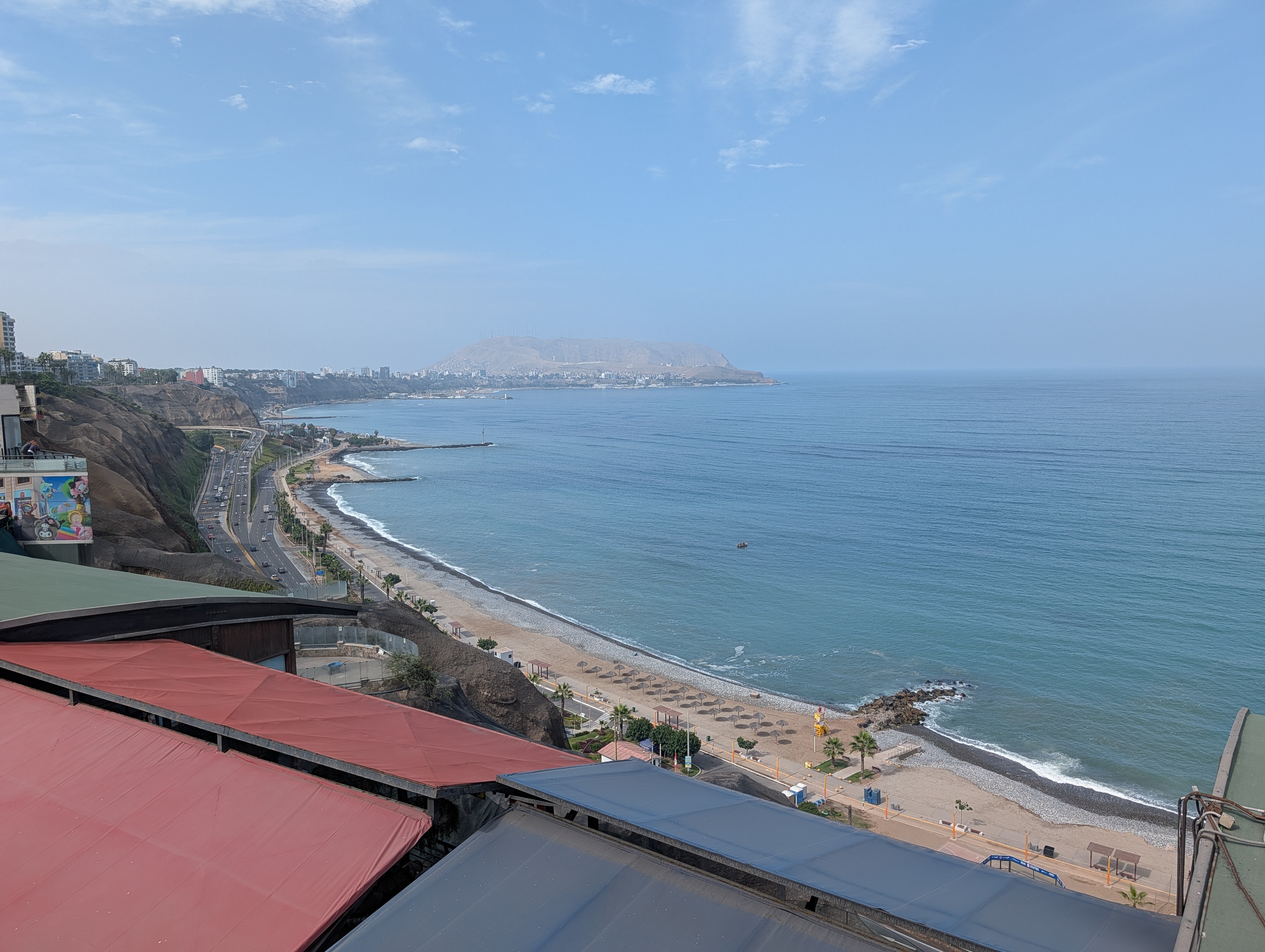
Any trip to Peru starts in Lima. It sits at sea-level, but the elevation reaches as high as 22,000 feet in other parts of the country. 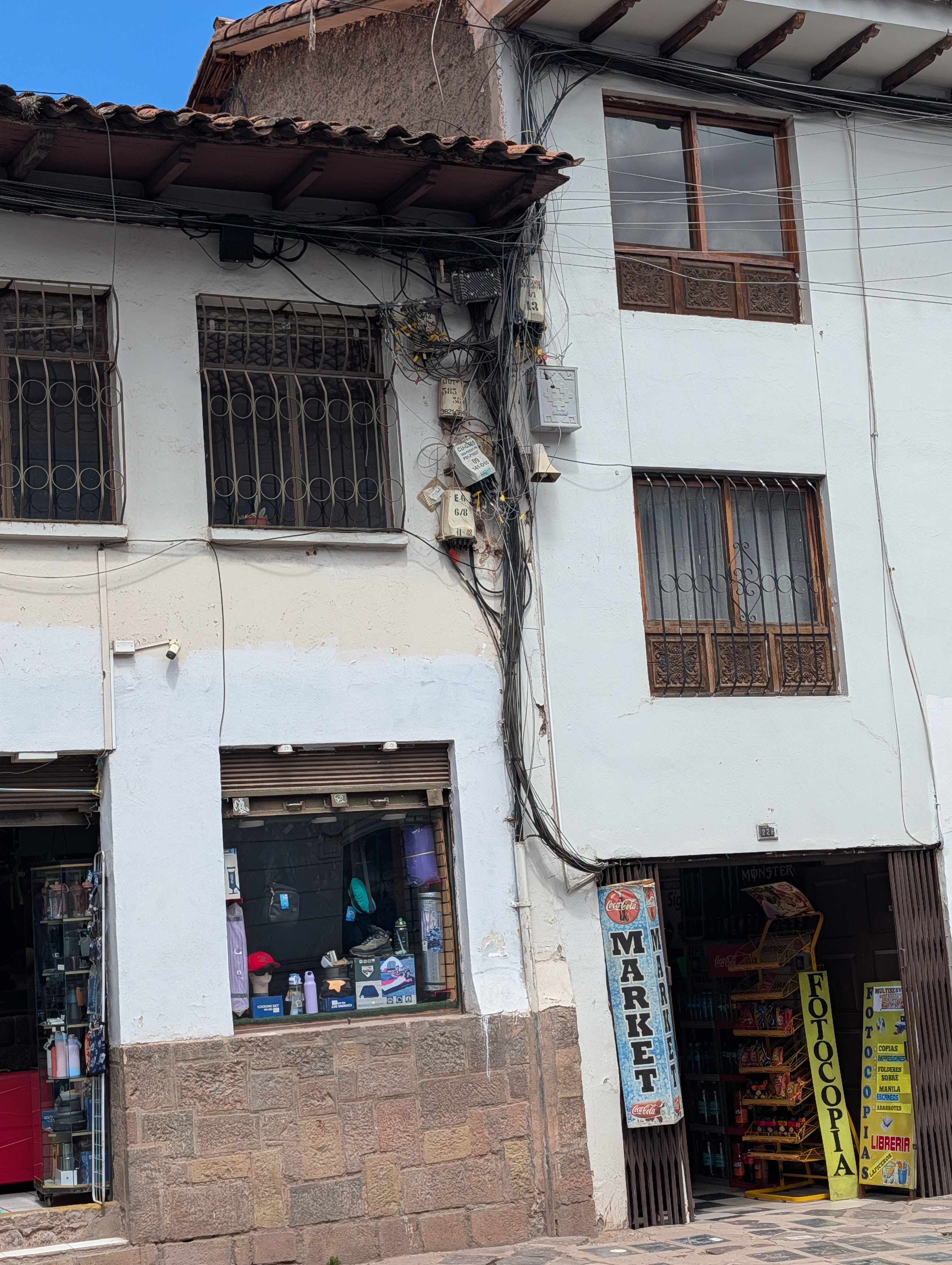
Their electricity grid is a tangled byproduct of rapid urban growth, a mix of old and new infrastructure, and a focus on function rather than beauty. 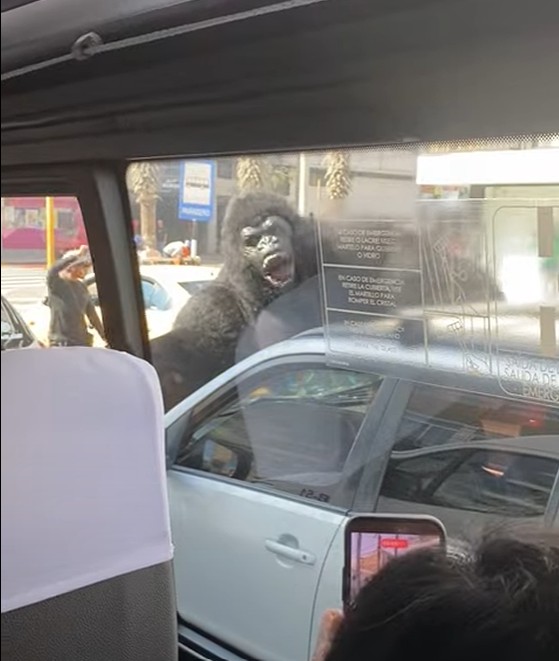
Traffic is a gorilla! Peru’s primary mode of communication is honking and squeezing through spaces I wouldn’t dare. 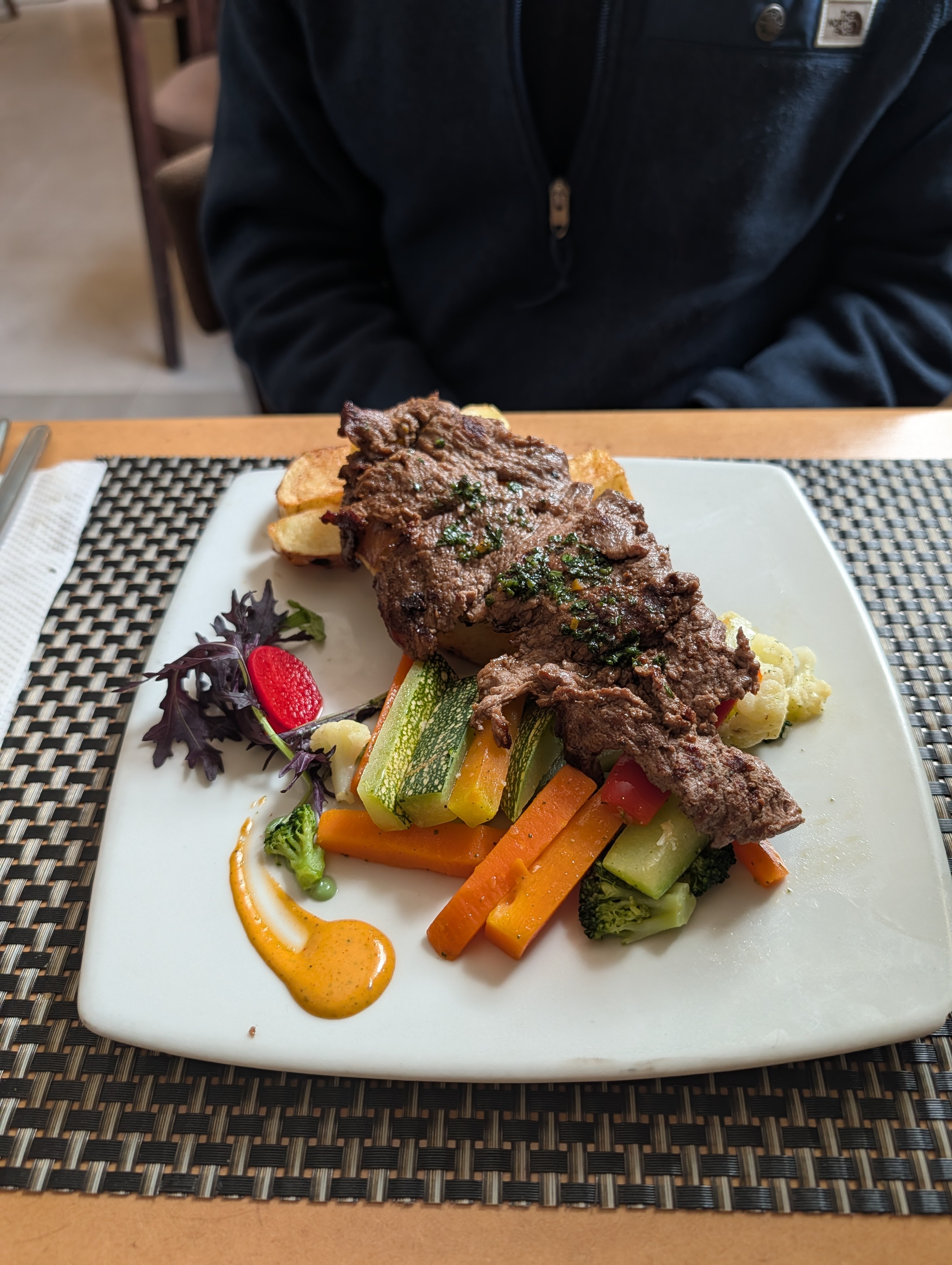
The good news is that things are very affordable compared to the U.S.! This was part of a three course meal for 40 soles, or about $12. 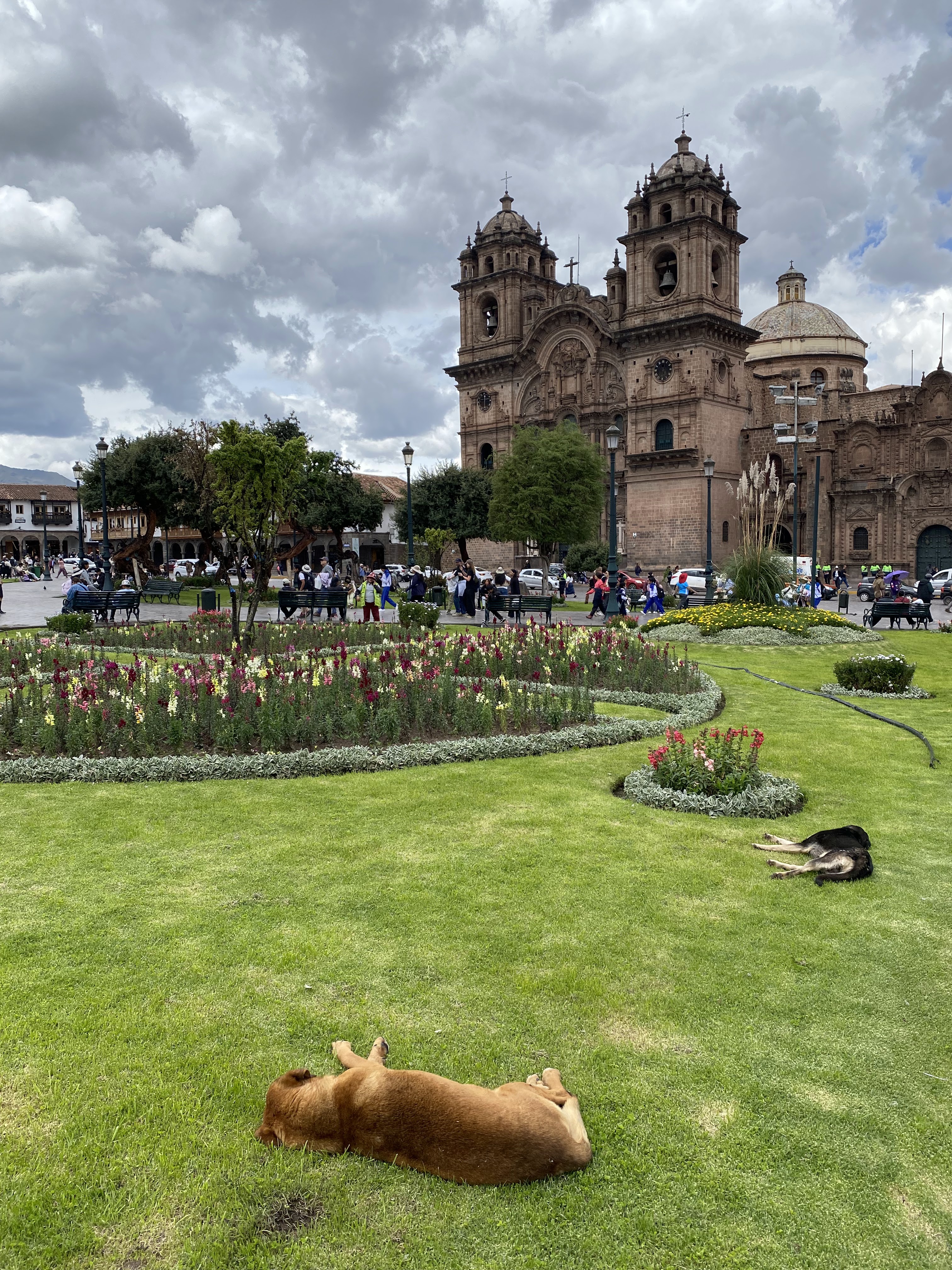
There are lots of dogs that just hang around town. They don’t beg and they’re not homeless– their owners just let them roam throughout the day. 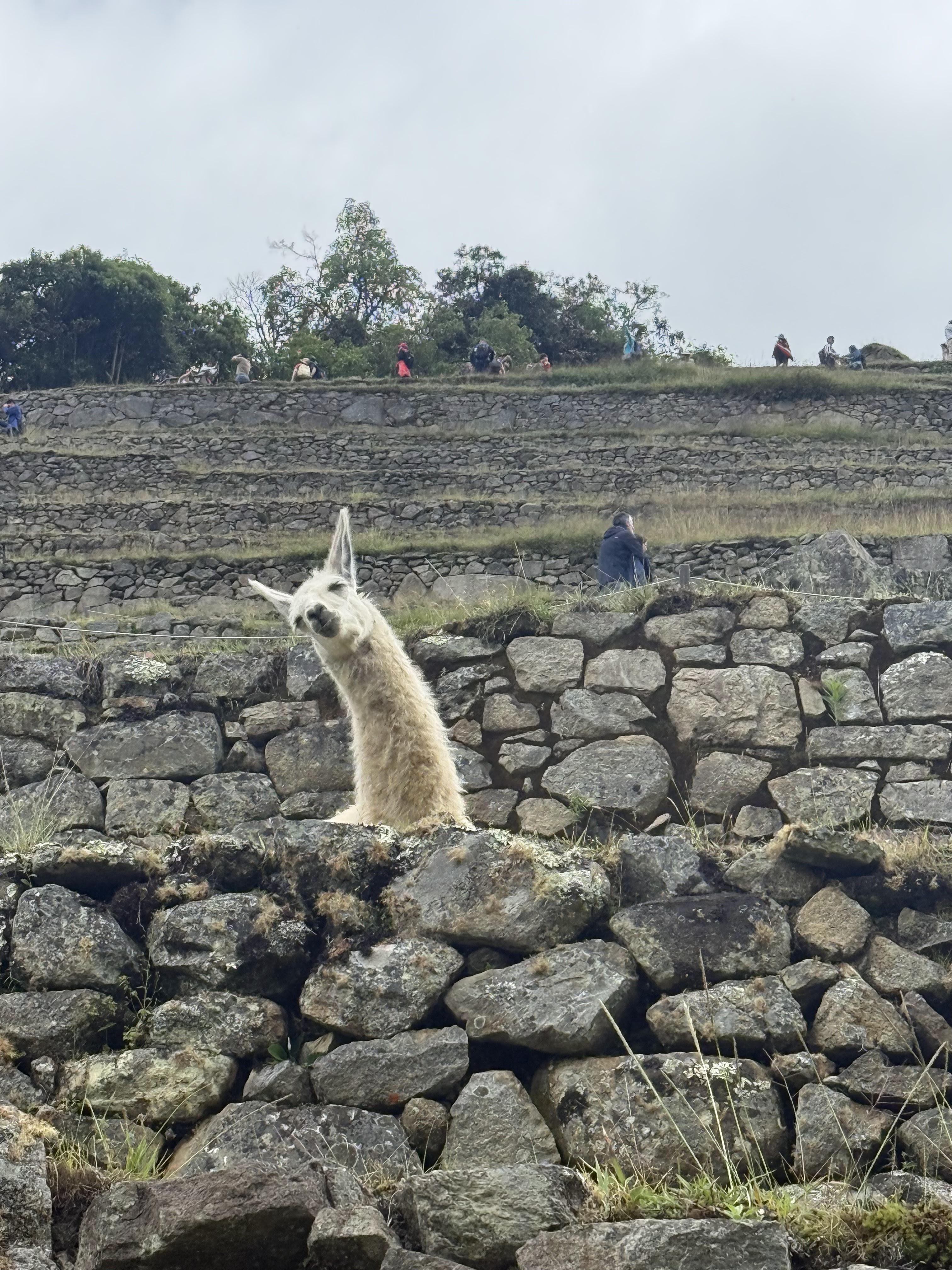
Llamas are everywhere and they’re goobers. Before the Spanish arrived with horses, the Incas used llamas to transport up to 100 lbs / up to 20 miles per day. 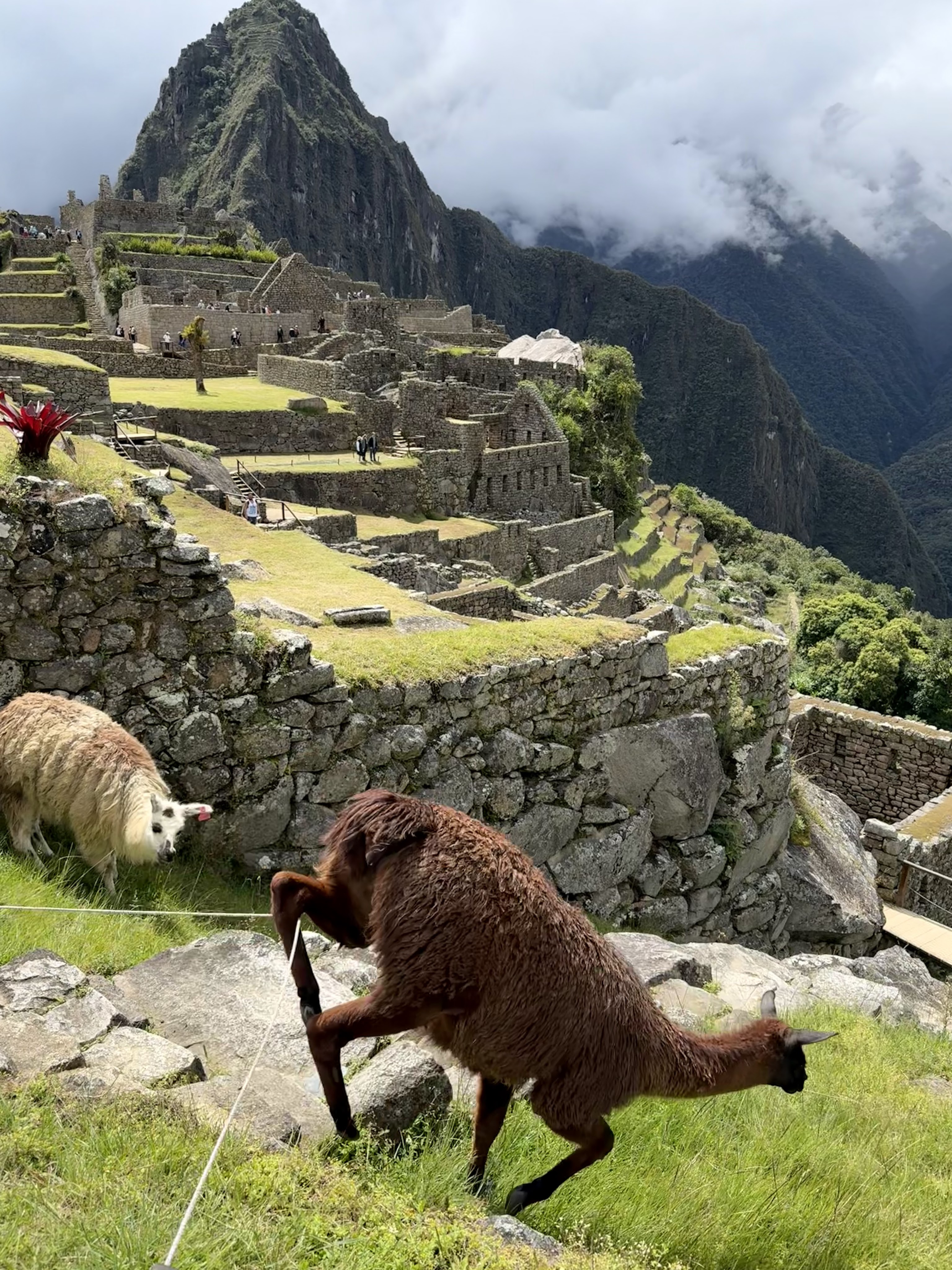
This llama recovered gracefully from falling. Not pictured, Peru is also home to alpacas. 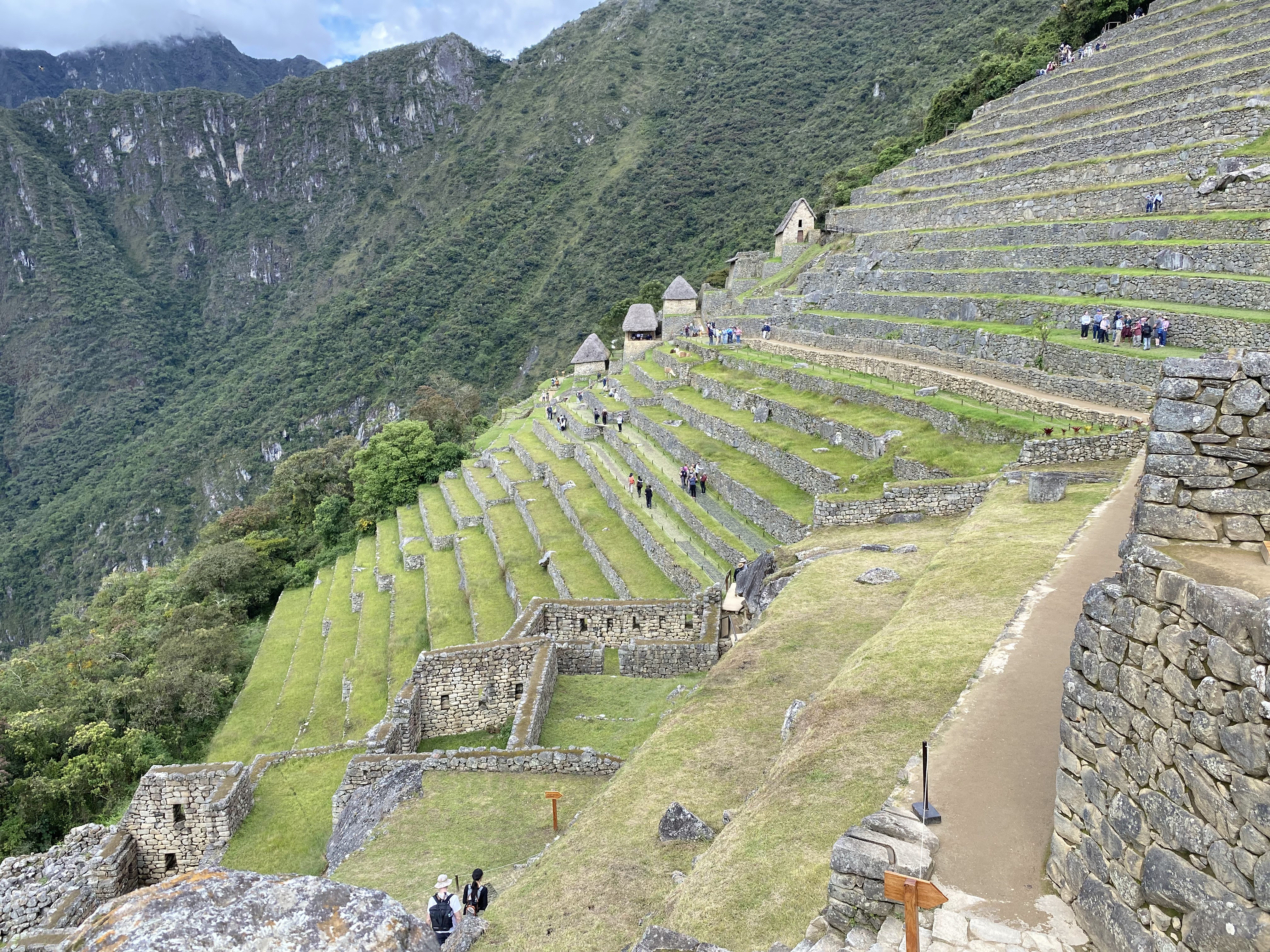
The Incas built terracing systems into slope terrain for agriculture. This helped with drainage, irrigation, and creating different micro-climates for different crops. 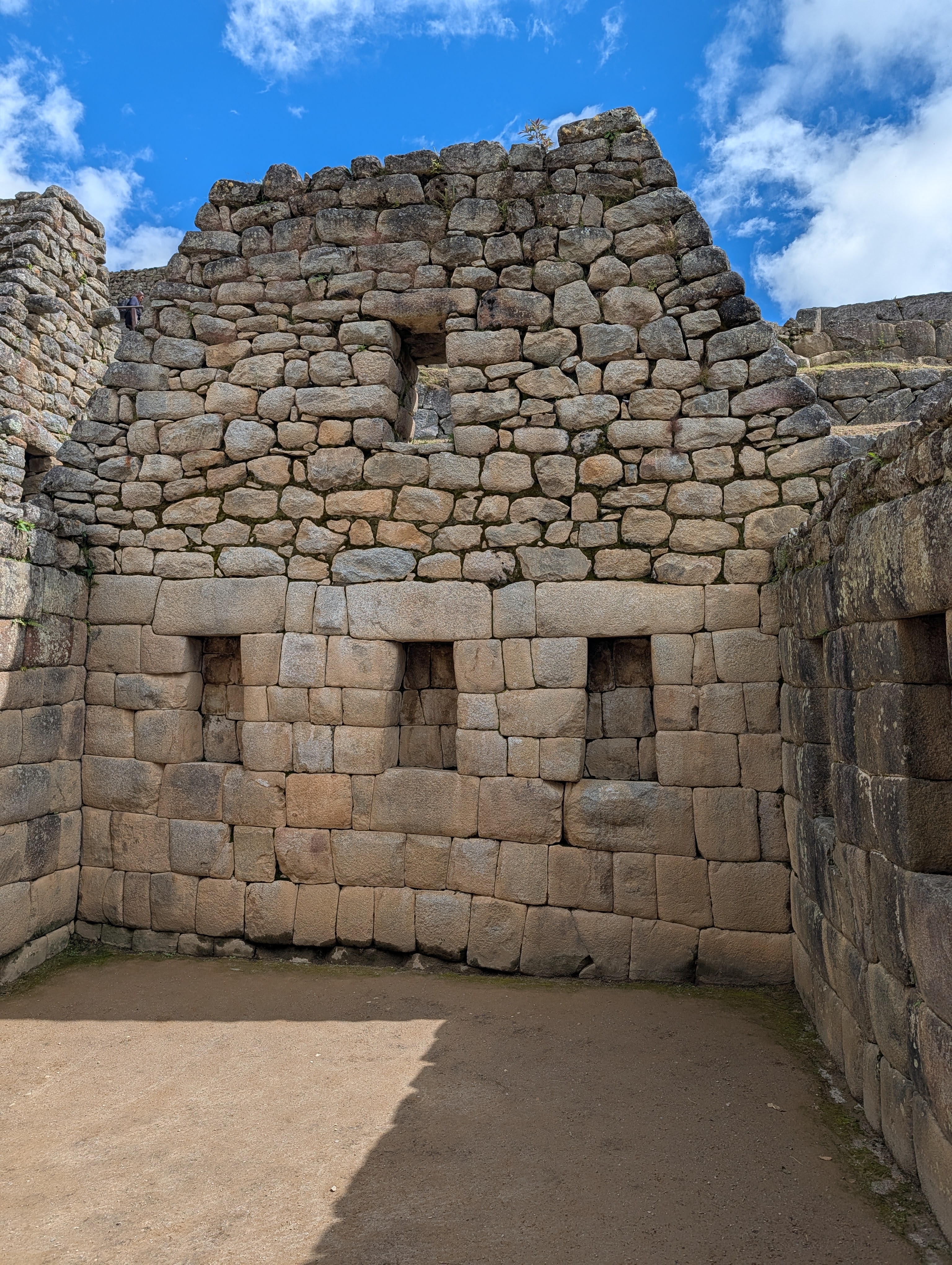
There are two very different styles of architecture throughout Machu Picchu. The near-perfect style on the bottom is reserved for sacred places, and so tight/secure it can survive earthquakes. 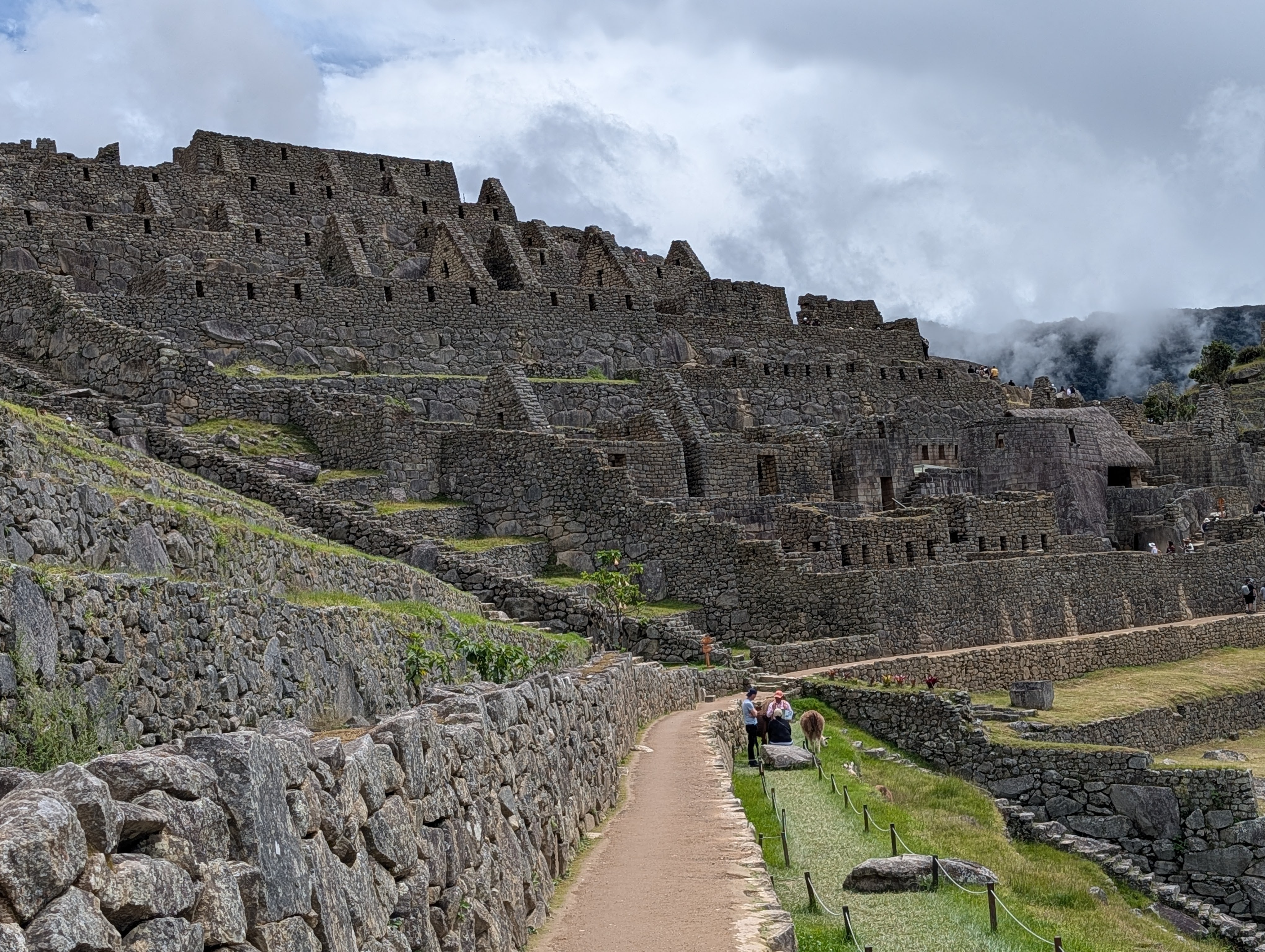
There was an estimated 750 people living at Machu Picchu at its peak. The site is thought to be a royal estate for the Incan emperor. 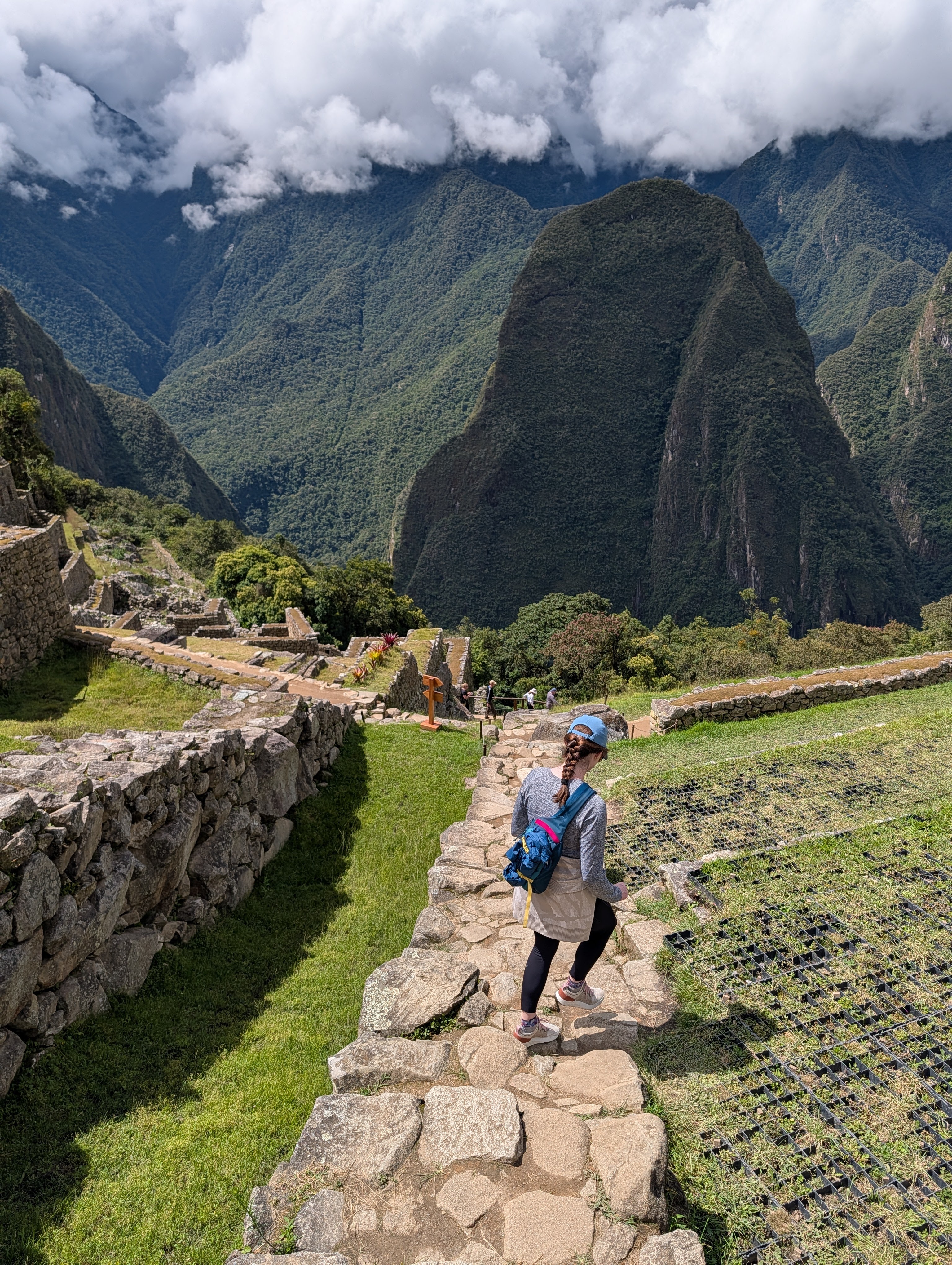
Climbing at elevation is tough! I spent a lot of time trying to keep up with Brittany. 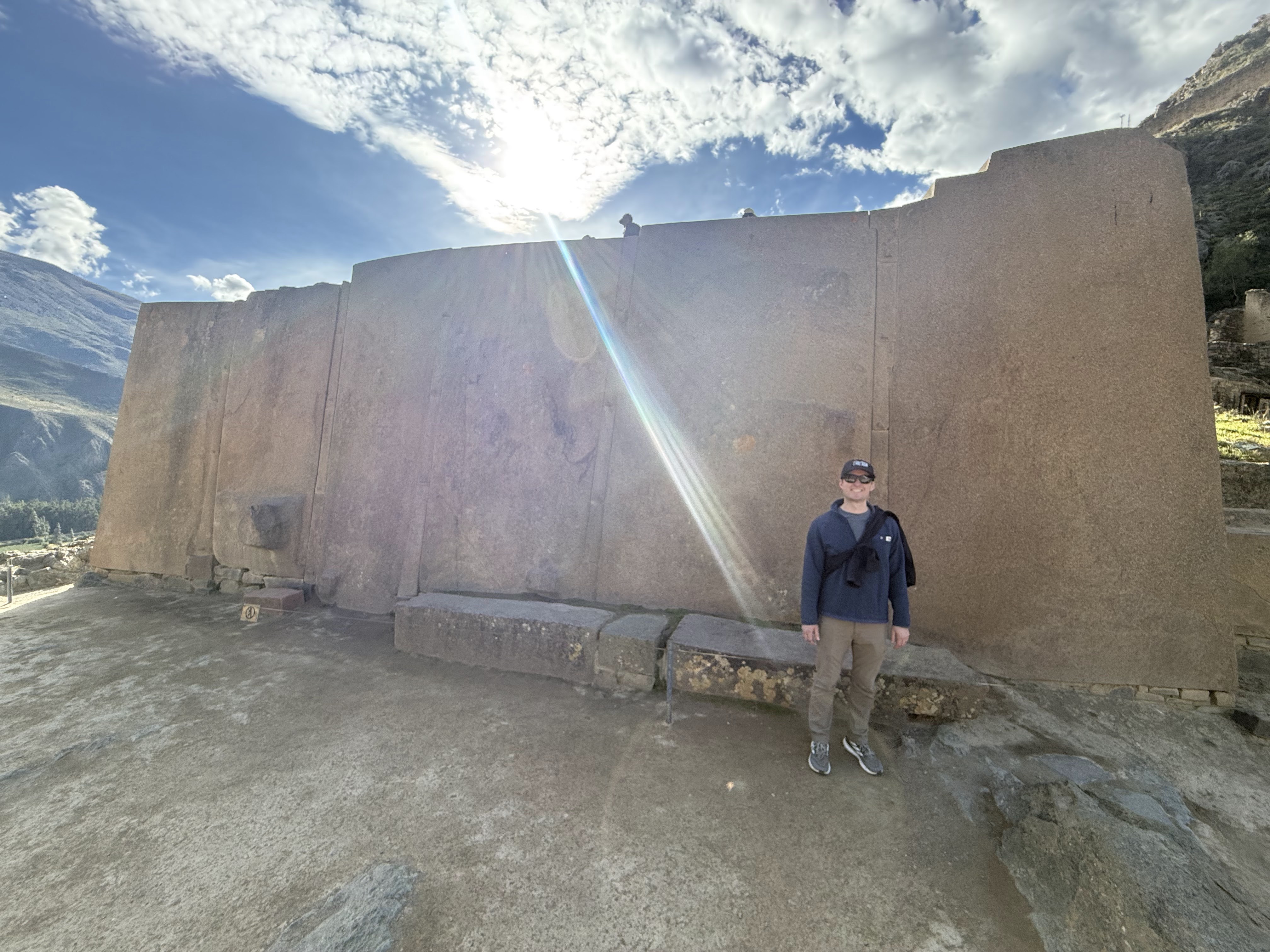
Some of the stones at ancient sites can weigh up to 100 tons, and crossed valleys and mountains to get to their final resting space. 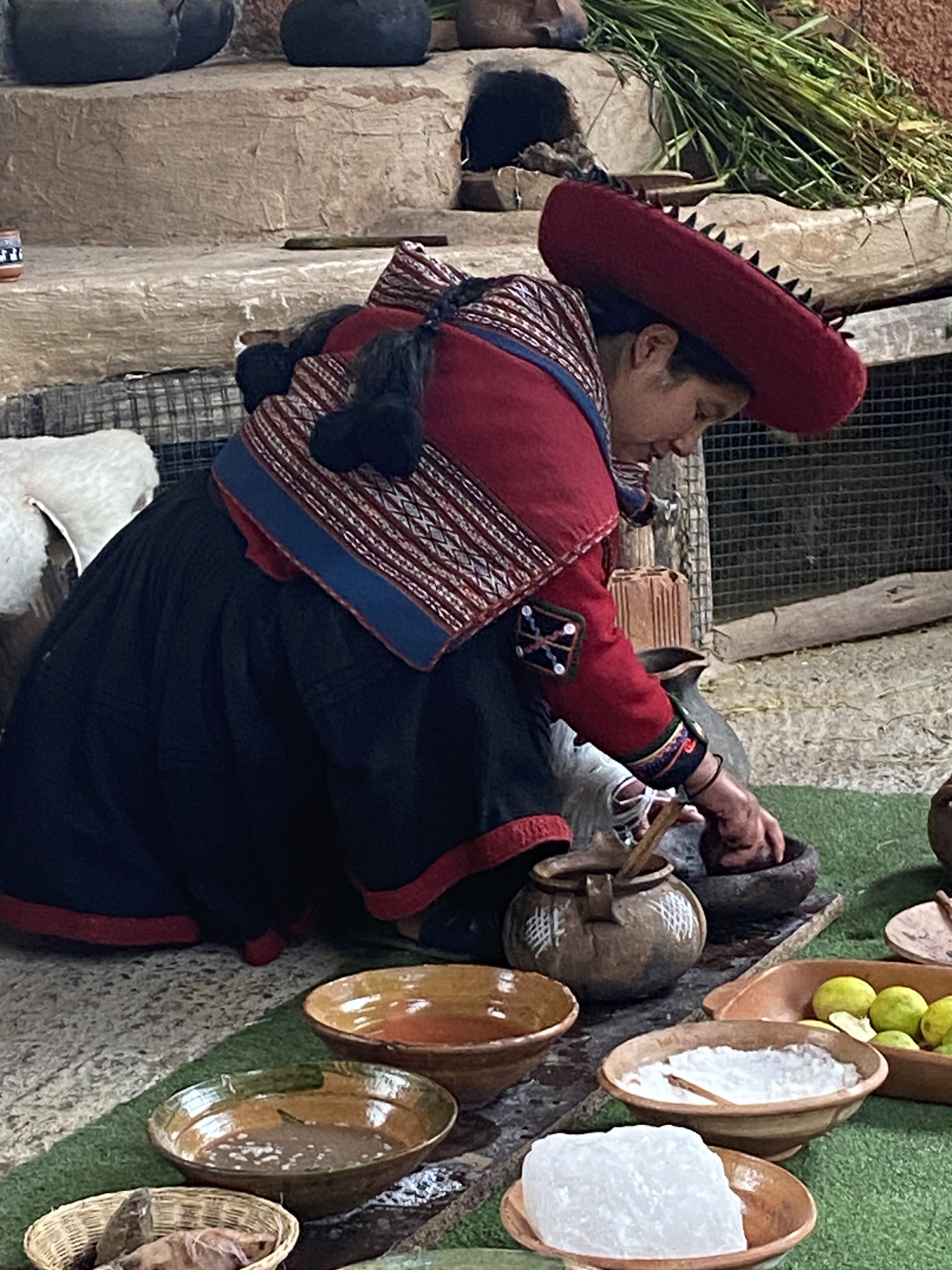
In traditional Incan attire, this woman is naturally dying alpaca fibers before making it into clothing. Alpaca is similar to wool but generally warmer, softer, and better for sensitive skin. 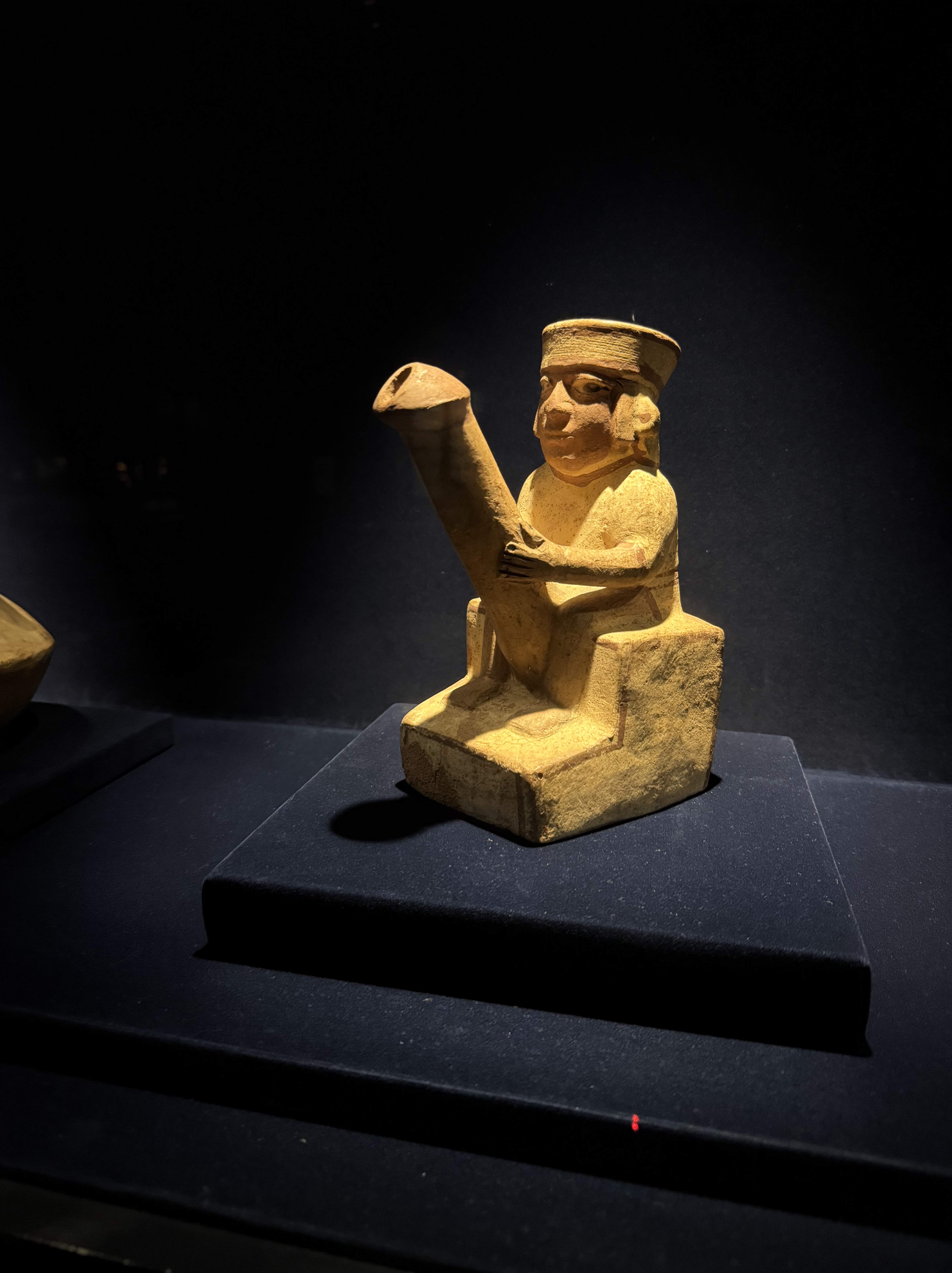
The Larco Museum in Lima has some pottery that’s over 2,000 years old. Lots of erotic pottery too. 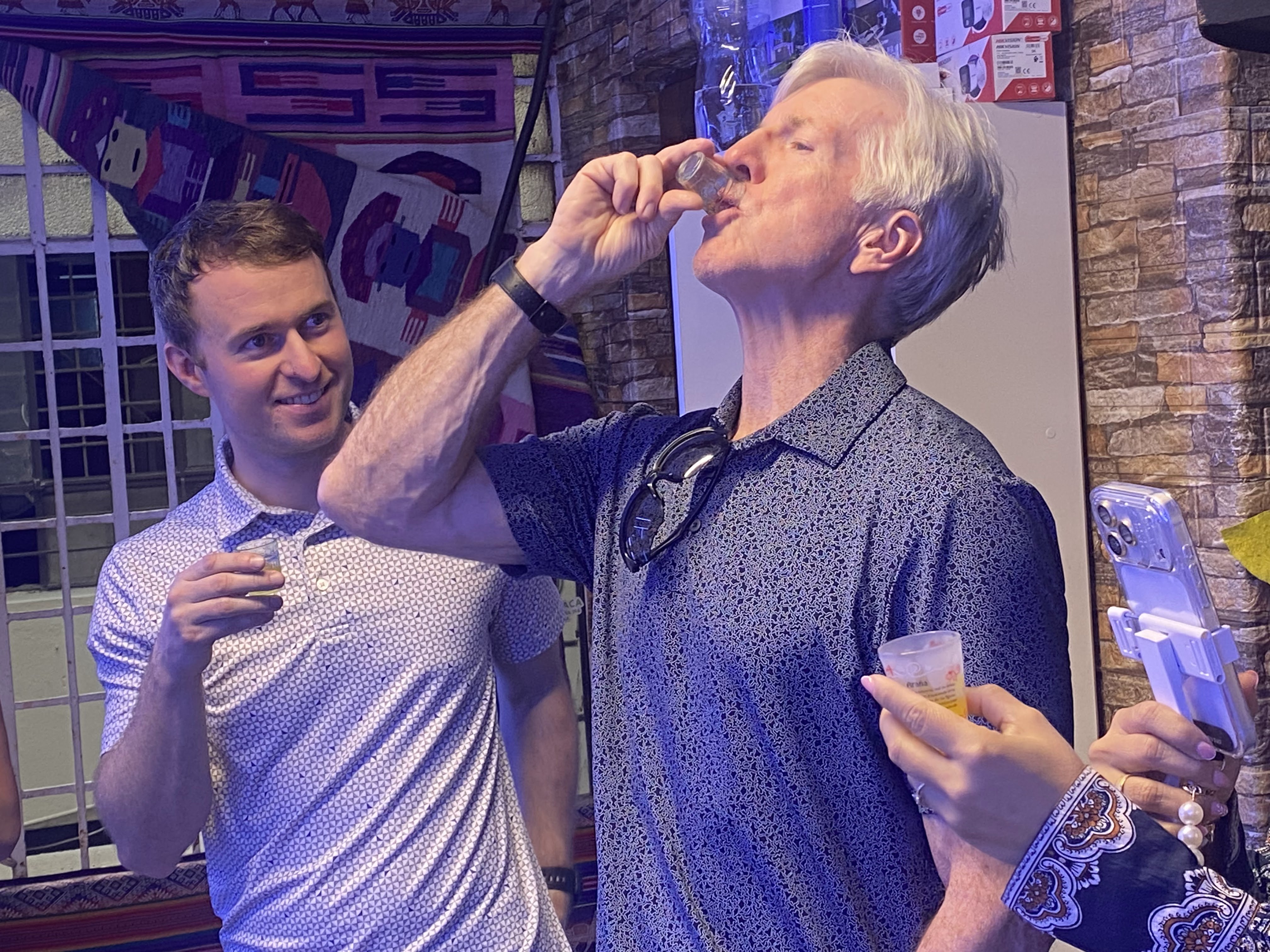
Here’s John showing everyone on how drink Pisco, a unique spirit from Peru. It’s most commonly used to make their famous cocktail, pisco sour. 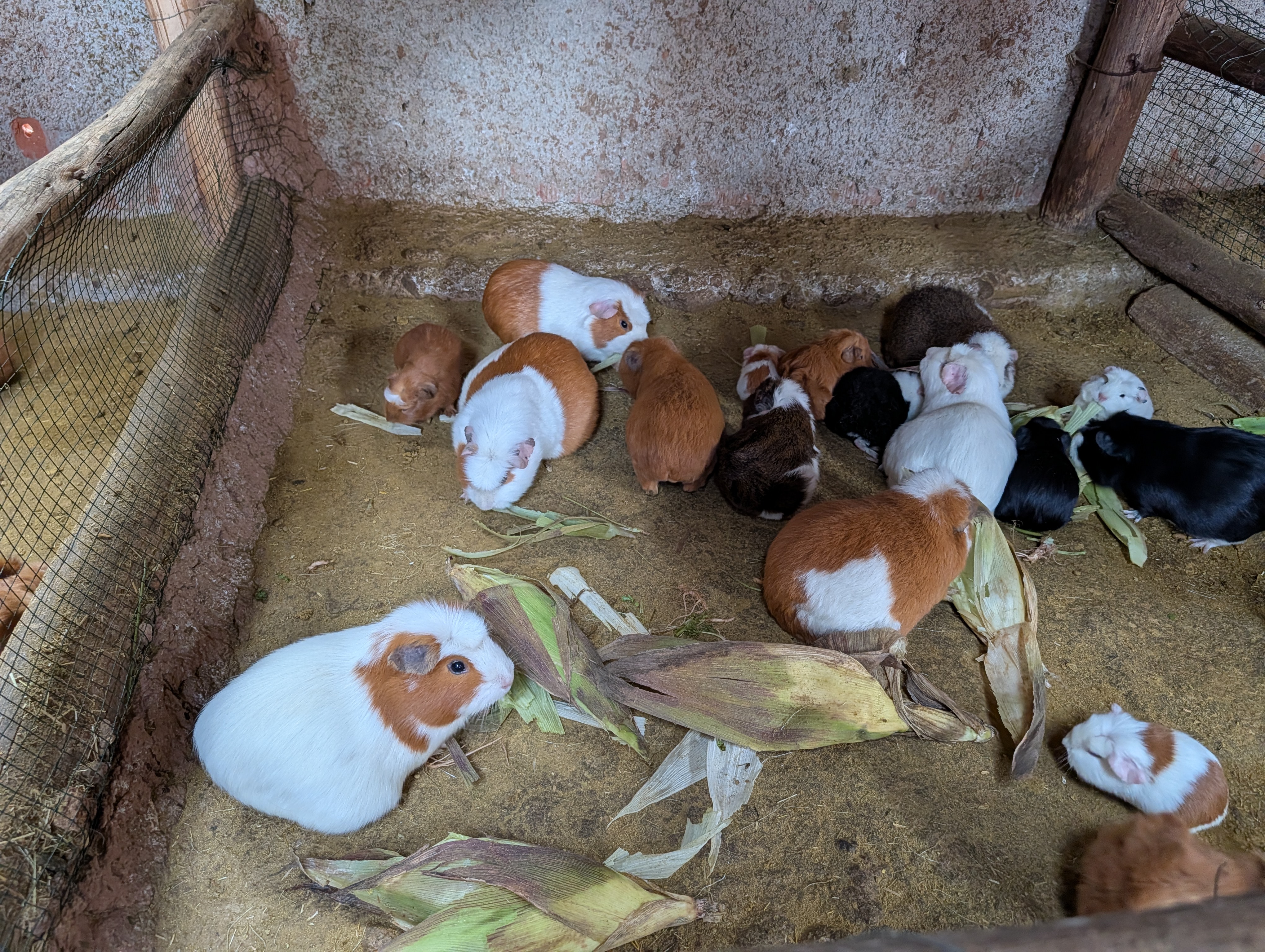
We skipped eating the traditional food of cuy (guinea pig). They’re way too cute. 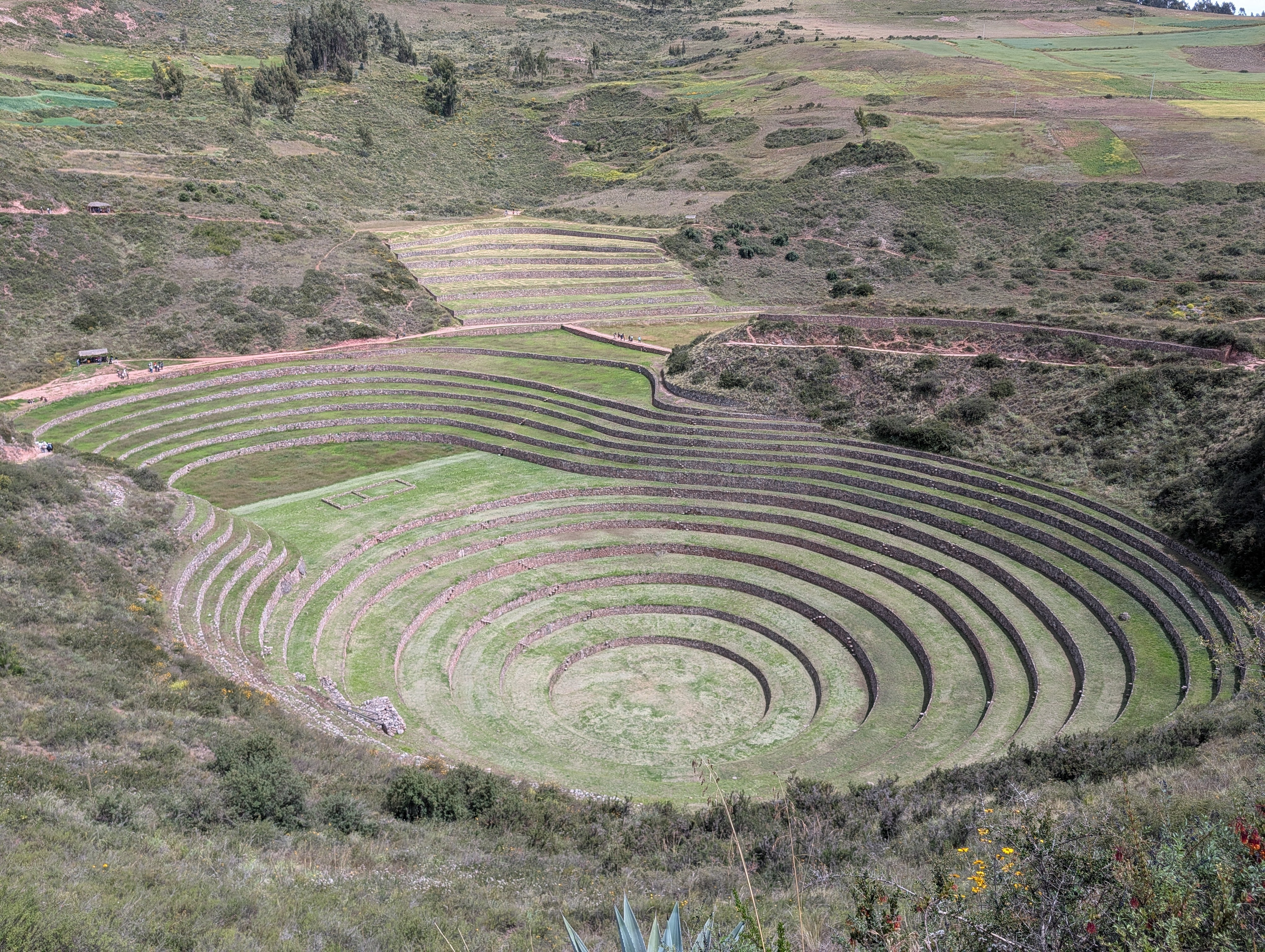
These aren’t crop circles, this is Moray, believed to be the Inca’s test site for growing and adapting crops to different elevation and micro-climates. 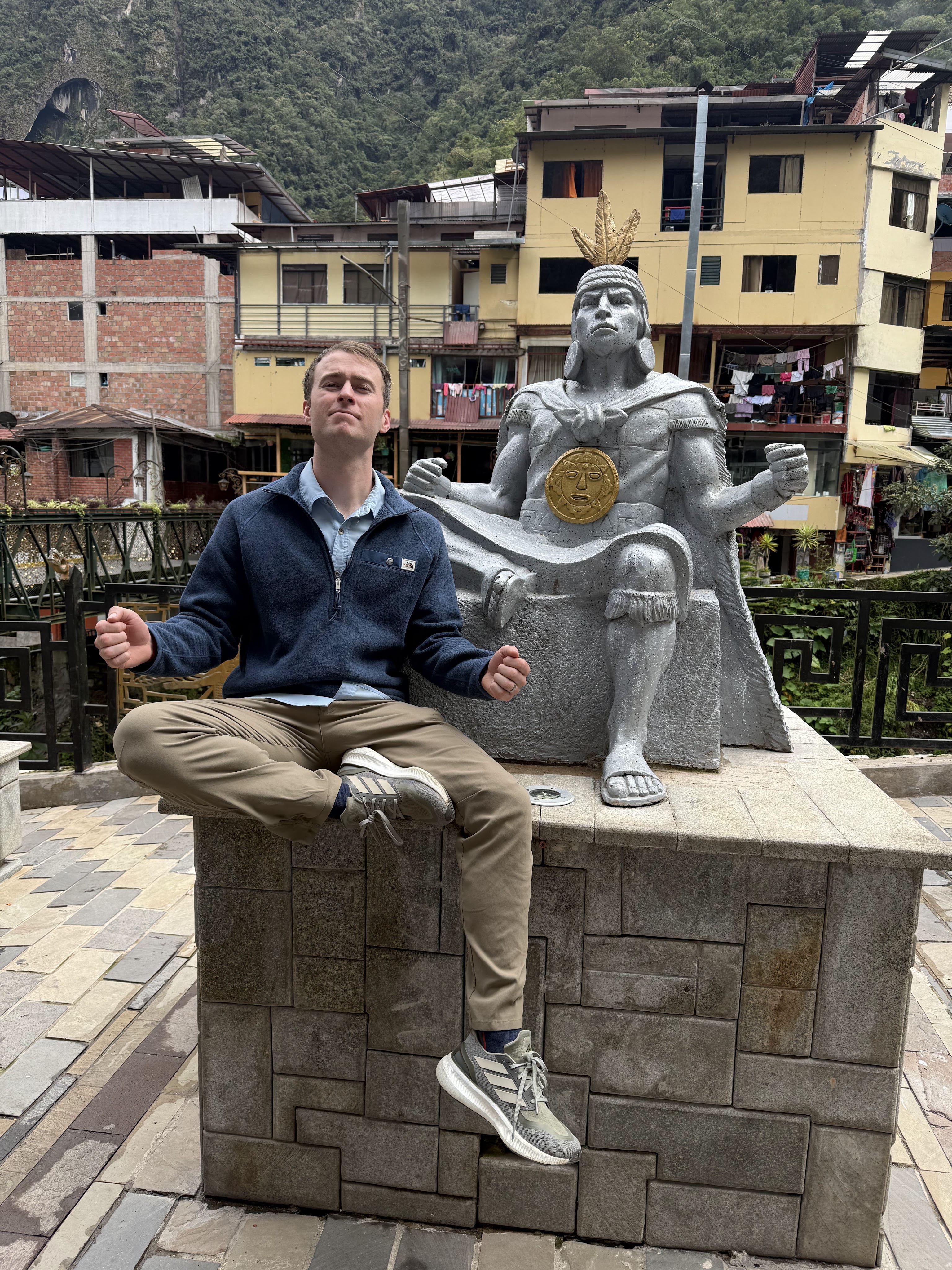
When travelling, do as the locals do! This is Pachacuti Inca Yupanqui, the 9th Sapa Inca (emperor) of the Kingdom of Cusco and later the Inca Empire. 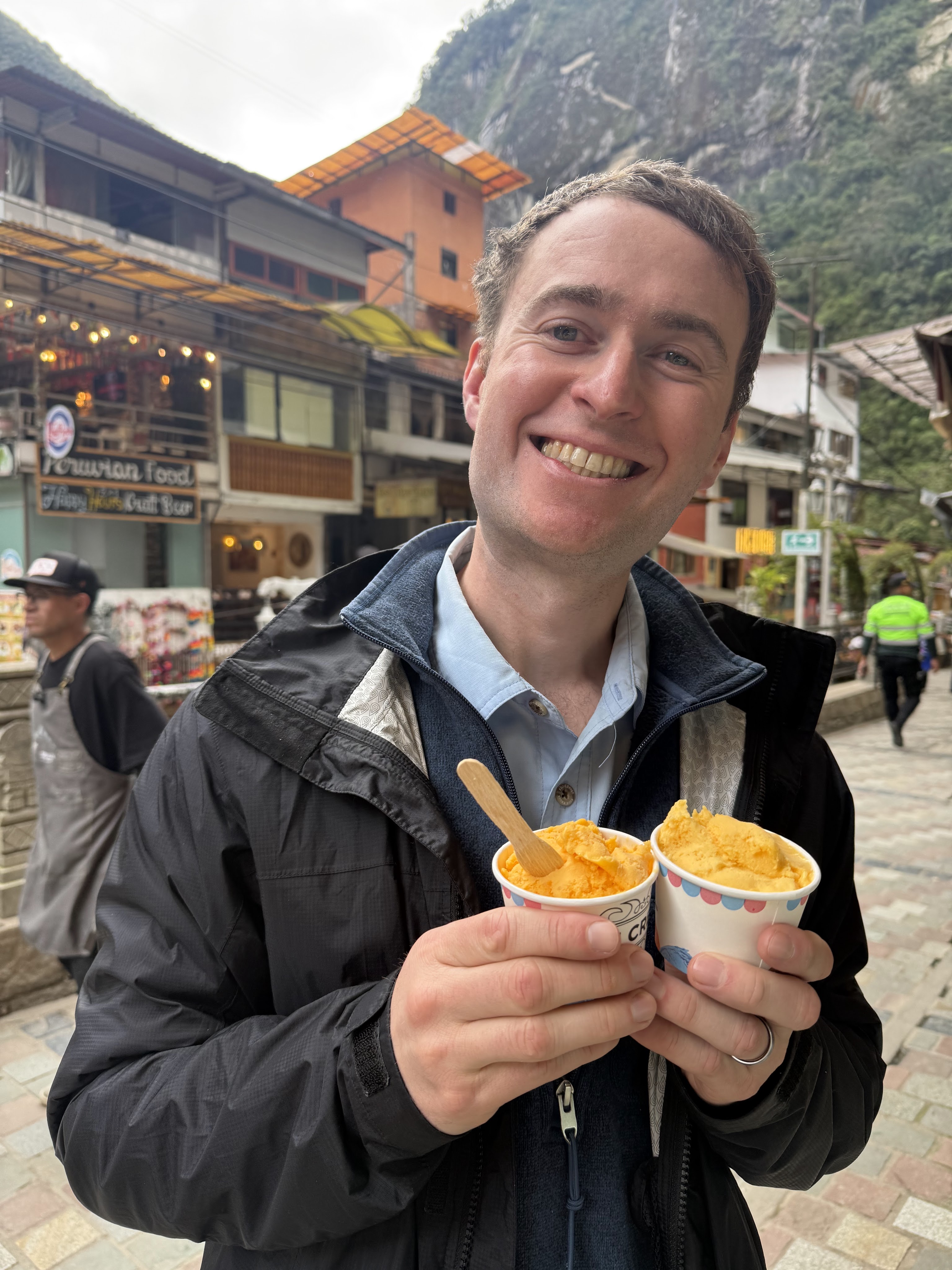
My Spanish speaking abilities are good but not good. I tried ordering two scoops of ice cream and got two cups of ice cream. Close enough! 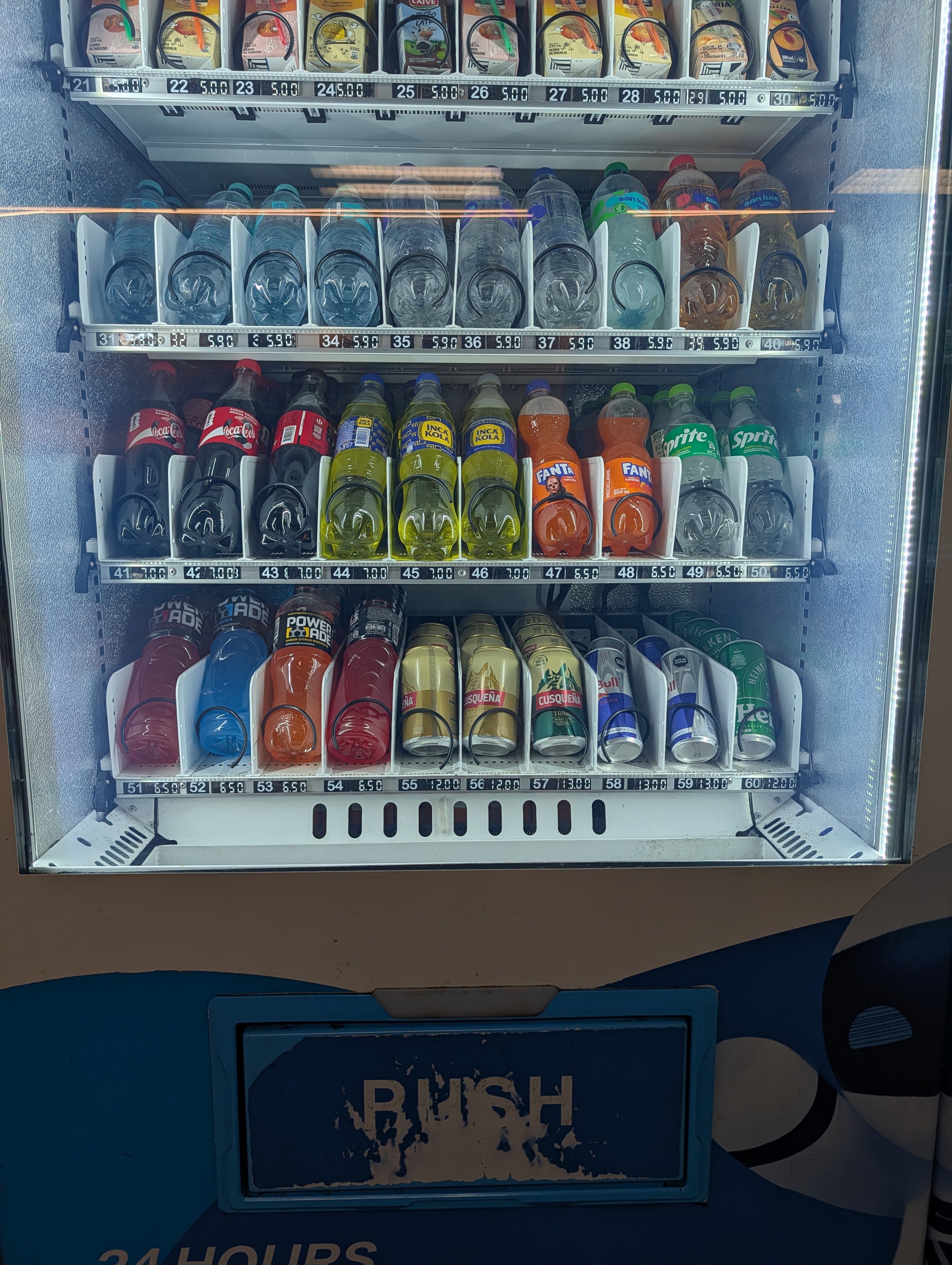
Need a beer? You can get one for 12 soles (~$3.50) from the vending machine at the airport. 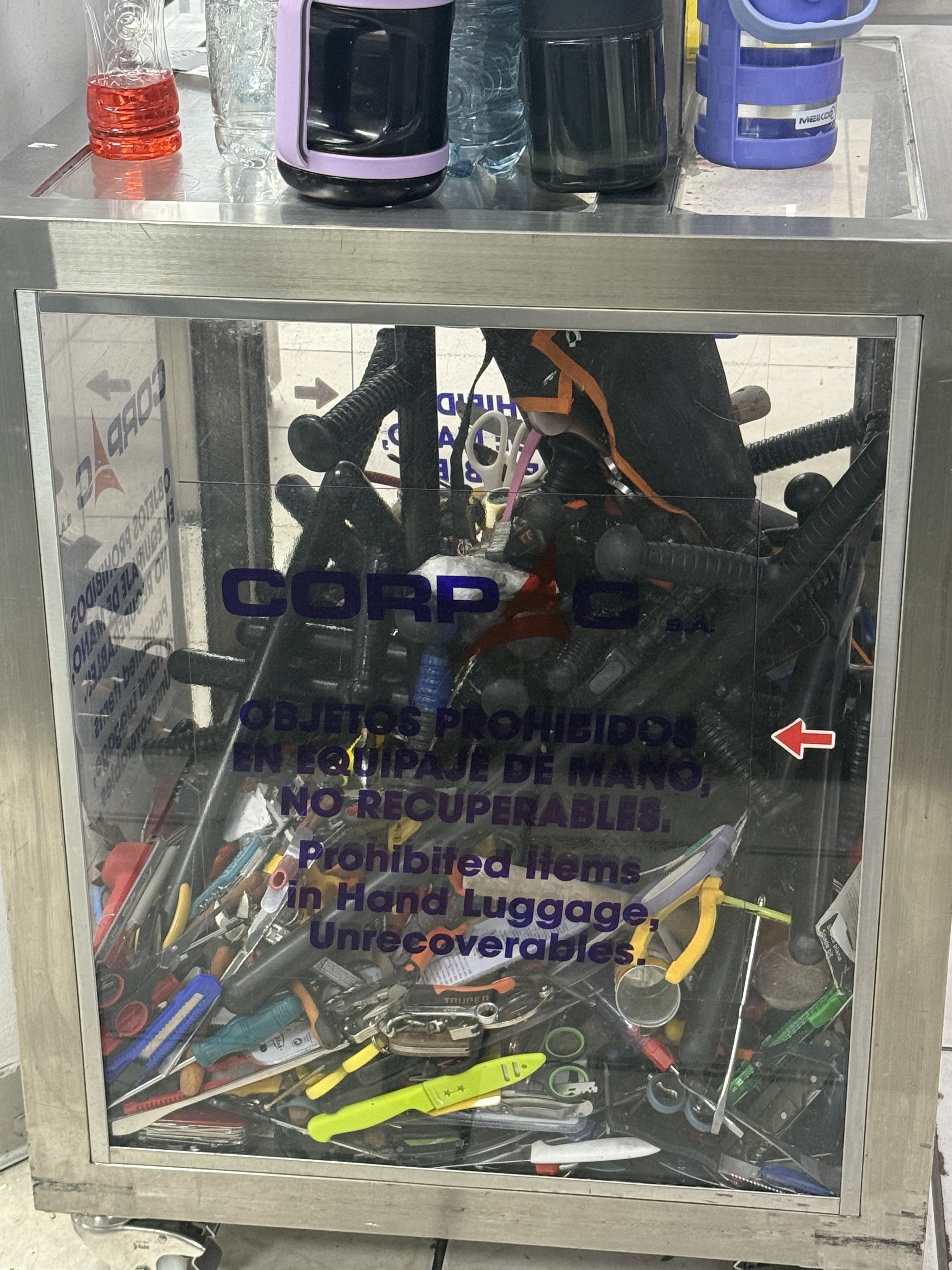
Not really sure why the TSA bin is full of confiscated nightsticks? 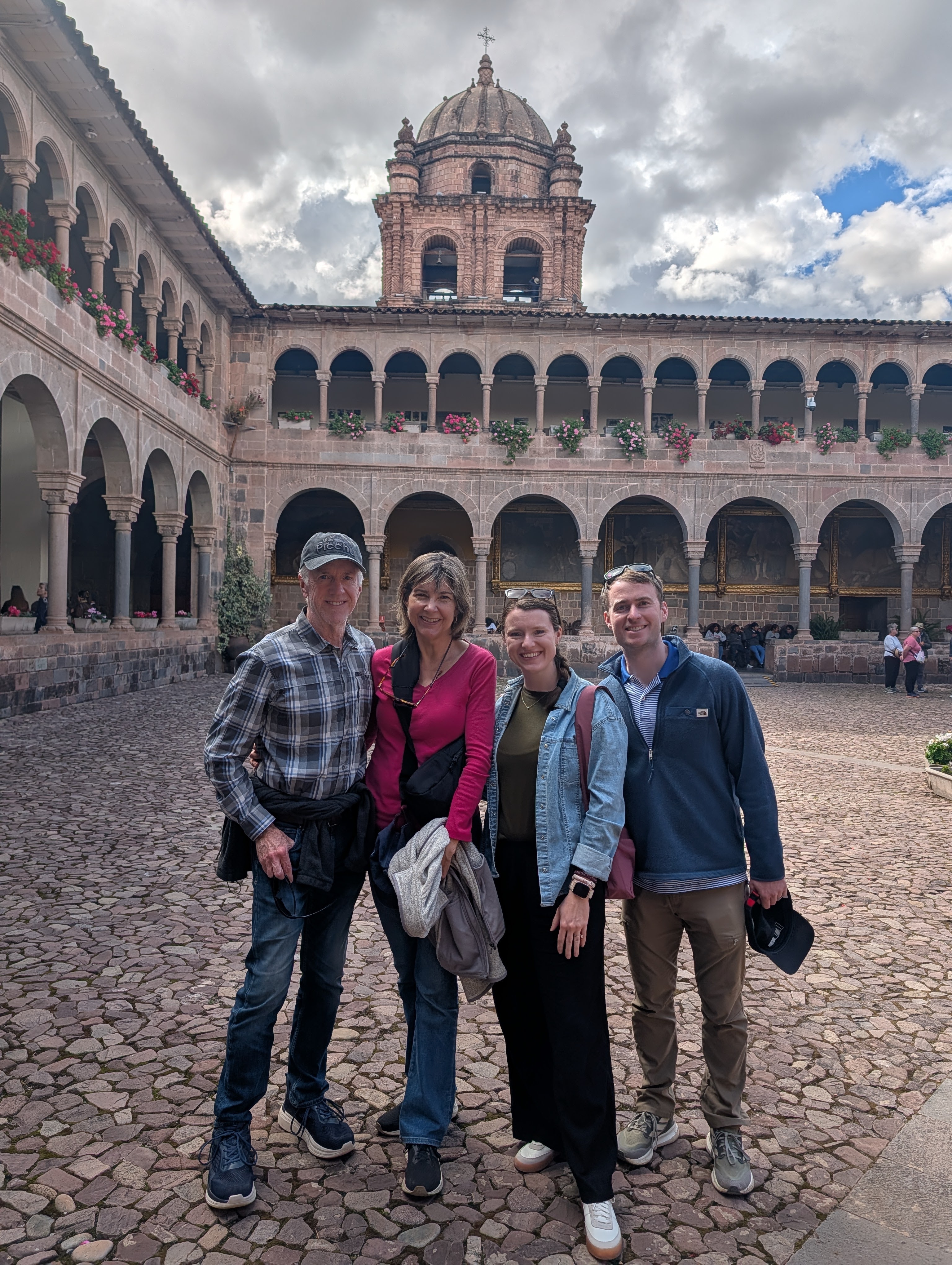
This is the Spanish Qorikancha built on top of an Incan foundation. It was a long way to get here but worth it!
 The big "R" in Ryan
I enjoyed ALL the pictures along with your informational descriptions Ryan. You captured the highlights perfectly and made sure to mention the “free range” lifestyle of those cute dogs!
LikeLike